July 15, 2026
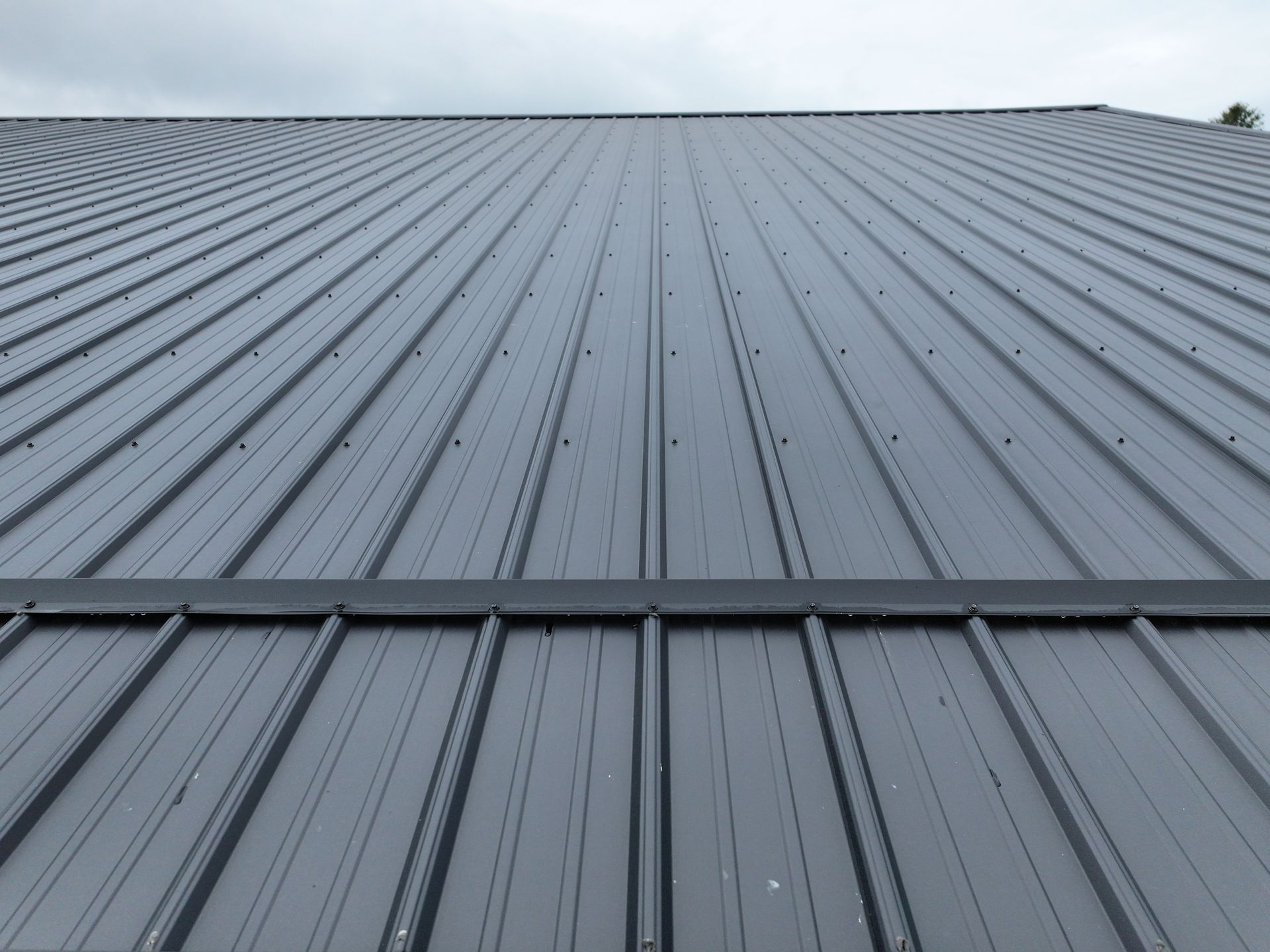
Metal roofing has surged in popularity in recent years, becoming a favored choice in both residential and commercial construction. This trend emerges from a blend of practical advantages and aesthetic possibilities, which together create a compelling case for metal roofs. As a professional metal roofing supplier, we will explore the numerous factors contributing to the rising appeal of metal roofing and why more property owners are making this choice today.
Resistance to Weather Elements
Metal roofs exhibit exceptional resistance to a variety of weather conditions. Unlike asphalt shingles that may degrade under harsh sunlight or severe storms, metal roofing remains stable and intact. This makes it particularly advantageous in regions prone to extreme weather events such as hurricanes or heavy snowfalls. The strength of metal ensures that it can protect buildings against high winds and the wear associated with heavy precipitation. As a result, metal roofing has become increasingly popular among builders and homeowners seeking resilience in their structures.
In addition to sheer durability, metal roofs hold a distinct advantage in their capacity to resist environmental wear. Rust and corrosion, common woes for many construction materials, are effectively mitigated through modern coatings and alloys. This protection means that buildings roofed in metal require less frequent repairs and replacements compared to other materials. Ultimately, the ability to withstand decades of exposure with minor maintenance elevates the value proposition of metal roofing significantly.
Moreover, metal roofing's fortified structure guards against additional potential damage from hail impacts or falling debris. This exceptional toughness minimizes the likelihood of punctures and structural weaknesses arising from impact forces. Because of these protective qualities, property insurance providers often view metal roofing as a lower risk, sometimes translating into reduced insurance premiums for building owners. Such direct advantages further contribute to its growing appeal within both residential and commercial markets worldwide.
Longevity Compared to Traditional Roofing
As a professional metal roofing supplier, we've found that the longevity of metal roofing is a substantial advantage over traditional roofing materials. According to Home Advisor, a well-installed metal roof may last up to 70 years, which outlasts common alternatives like asphalt shingles. This extended lifespan means that homeowners and building managers face fewer cycles of repair and replacement, making it financially appealing over the long term. In a life-cycle assessment, the durability of metal roofs often offsets higher upfront costs through decades of reduced maintenance expenses. This characteristic of longevity presents a strong incentive for those considering sustainable and durable building solutions.
Additionally, the integration of advanced coatings and finishes optimizes metal roofing not only for longevity but for environmental resilience. Metal roofs usually come with coatings that protect against UV rays, thus reducing surface heat absorption and extending the material's life even further. Unlike traditional roofing materials that might succumb to mildew, rot, or insect infestations, metals remain a robust material choice without these vulnerabilities. Therefore, metal roofs continue to grow in credibility as a smart investment for those seeking enduring value.
Because of this extended lifecycle, metal roofing fits well with modern architectural and infrastructural needs that prioritize sustainability. The long service life also contributes to reduced resource consumption and waste generation over time. This eco-friendly attribute aligns with contemporary demands for sustainable building practices. As awareness and appreciation for environmental impacts continue to grow, metal roofing remains at the forefront of eco-conscious building trends, combining durability with responsible resource use.
Impact Resistance
Metal roofing is uniquely qualified to resist physical impacts, an important feature for many property owners. Its robust nature deflects and absorbs the energy from hailstones, branches, or other debris that might strike during a storm. This level of impact resistance not only protects the structural integrity of the roof but also reduces the potential for costly repairs. This resilience has made metal a preferred choice in regions where hail is frequent or where overhanging trees might pose a risk. Consequently, builders unfurling new projects in such areas often opt for metal for its protective qualities.
The design and manufacturing of metal roofing have evolved to further augment its impact resistance. Corrugated panels and standing seam configurations not only enhance strength but also provide corrugations that disperse energy more effectively than flat surfaces. This innovation in design helps attenuate the force of impact, reducing surface denting and prolonging the roof's visual appeal. As a result, metal roofing continues to dominate as a reliable safeguard against environmental and accidental stresses. Property owners value this aspect highly when considering the long-term costs associated with roof repair and maintenance.
Fire Resistance
The non-combustible nature of metal roofs presents significant fire resistance, an advantage that cannot be understated. Unlike organic materials, which might ignite or contribute to fire spread, metal roofs resist ignition and flame propagation. In urban centers or fire-prone areas, this characteristic provides an extra layer of security for structures. Key urban areas, especially those subject to stringent building regulations, witness this attribute championed among developers seeking compliant, safe construction solutions. Consequently, metal roofing aligns with comprehensive fire safety plans, offering peace of mind to property owners.
Furthermore, various studies demonstrate that while certain roofing materials may ignite under higher temperatures, metal roofs withstand extreme heat without altering their structural form. Builders and architects appreciate this quality, often recommending metal roofs in regions where natural fire mitigation efforts are crucial. Fire-resistant metal roofing not only lowers the inherent risks to the building but also underpins safety protocols within populated areas. This characteristic is particularly relevant because it may lead to reduced insurance premiums due to decreased risk of fire damage, benefiting owners financially in the long run.
Minimal Maintenance Requirements
One of the understated advantages of metal roofing is its minimal maintenance requirement, which translates to significant cost savings over time. While traditional roofing might necessitate frequent patches and repairs, metal roofs demand little to no ongoing attention to remain effective. This reduces not only the direct financial burden for homeowners but also the time and effort involved in regular upkeep. Often, a simple visual inspection paired with basic cleanings suffices, fulfilling the necessary care duties for metal roofs. As a consequence, property owners select metal roofing for its simplicity and long-term economic efficiency.
The engineering behind metal roofing ensures resilience against structural wear and weather-induced degradation, which decreases the necessity for continuous repairs significantly. Susceptibility to cracking, eroding, or splitting fades from concern, indicating fewer emergency repair situations. As ongoing advancements in metal coating technologies further enhance these properties, the anticipated operational lifespan without frequent maintenance becomes more attractive. Thus, the upfront cost of metal roofing is easily rationalized with the knowledge of diminished future repair outlays, promoting strategic building cost management.
Reflective Properties
Metal roofing is renowned for its reflective properties, which play a critical role in enhancing energy efficiency. These roofs can reflect a significant portion of solar radiation, thereby reducing heat absorption and lowering cooling costs. This feature contrasts sharply with traditional roofing materials, which tend to absorb and retain more heat, subsequently increasing dependency on air conditioning.
The reflectivity coupled with advanced coatings constitutes an integral part of energy-efficient construction practices. Modern coatings enhance these reflective properties even further, allowing buildings to maintain a cooler demeanor under the hot sun, reducing strain on HVAC systems. With building energy efficiency gaining priority across markets, metal roofs represent an apt response to such prioritization, addressing natural resource conservation needs directly through measurable performance metrics. This aligns with broader trends favoring sustainable design and construction practices.
In the end, it's easy to see why metal roofing continues to gain traction among homeowners and commercial property owners alike. With its impressive durability, long lifespan, fire and impact resistance, low maintenance needs, and energy-saving reflective properties, metal roofing offers a practical solution that also supports long-term value. As more people look for roofing materials that can stand up to the elements while reducing upkeep and energy costs, metal roofing remains a smart and increasingly popular investment. For a professional metal roofing supplier you can count on, contact County Line Metals today.